日本酒造りの奥深さを知ると、飲む楽しさがぐっと広がります。
その中でも、味わいや香りに大きく影響するのが 「酒母(しゅぼ)」。
今回は、酒母の種類と特徴、現在のシェアまでまとめて紹介します。
If you want to fully enjoy Japanese sake, it helps to understand the brewing process. One key factor that shapes the flavor and aroma of sake is the “shubo” (yeast starter). In this article, we’ll explain the main types of shubo and their characteristics, along with their share in modern sake production.
酒母ってなに? – What is Shubo?
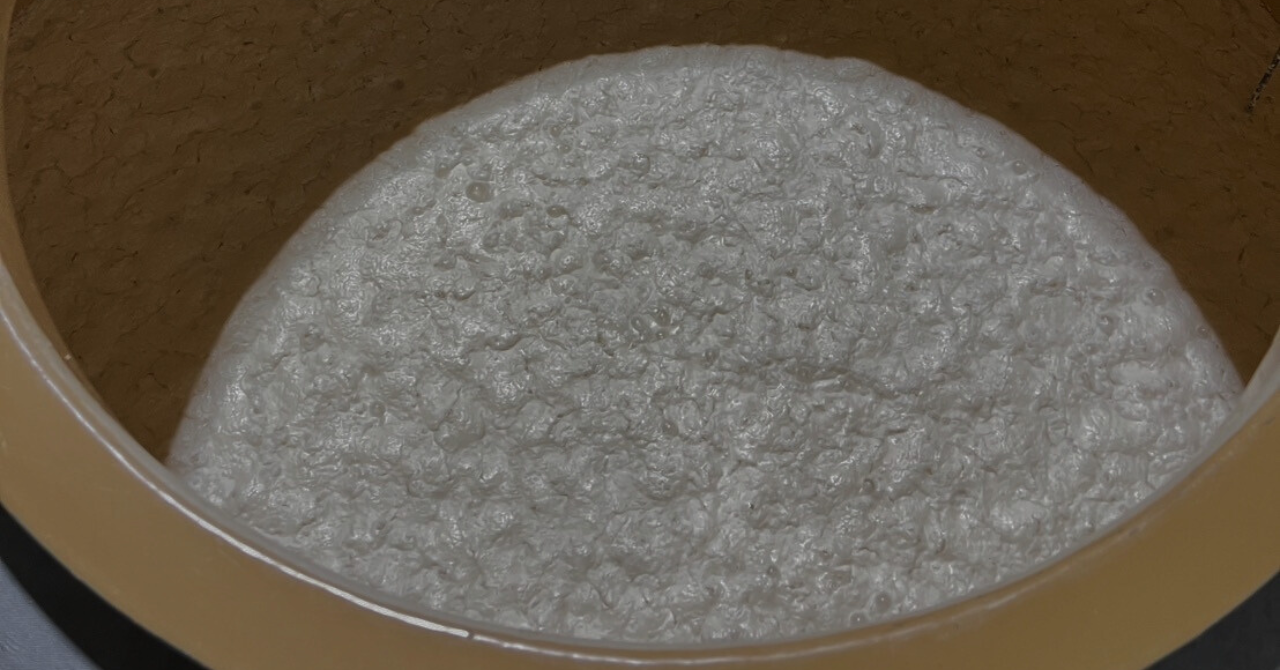
酒母は、日本酒の“酵母を育てる基地”のような工程です。
蒸した米・麹・水に酵母を混ぜ、たくさんの酵母を育てることで、お酒全体の発酵がうまく進むんです。
酒母の作り方によって、日本酒の味や香りは大きく変わります。
hubo is the “base” where yeast is cultivated to prepare sake for fermentation.
Steamed rice, koji, and water are combined with yeast, which multiplies in the shubo. This strong yeast culture ensures smooth fermentation throughout the sake.
The way the shubo is prepared has a big impact on the final flavor and aroma of the sake.
速醸酛(そくじょうもと) – Sokujo (Quick Fermentation)
速醸酛は、あらかじめ乳酸を添加して酸性環境を作り、雑菌を防ぎながら、優良酵母だけを育てる手法です。
約2週間の短期間で酒母が完成するため、現在もっとも一般的に使われています。
味わいは、すっきり、飲みやすく、華やかな香りの日本酒になりやすいと言われています。
- 現在のシェア:約 90%
Sokujo shubo is made by adding lactic acid to create an acidic environment, which prevents unwanted bacteria and allows only selected yeast to grow.
Because it develops quickly, the shubo is ready in about two weeks, making it the most common method used today.
It is said to tend to produce sake that is light, easy to drink, and often has a fragrant, fruity aroma.
- Current share: ~90% of sake production
生酛(きもと) – Kimoto
生酛は、人工の乳酸を加えず、天然の乳酸菌を自然に増やして酒母を育てる昔ながらの製法です。
さまざまな微生物の働きが関与するため、手間と技術が必要ですが、酵母の生命力が強く、発酵が力強く進むことで、旨味や酸味、コクのある濃醇な酒が生まれやすいのが特徴です。
完成まで約1か月。
- 現在のシェア:約 1%(伝統的な少数派)
Kimoto is a traditional method where lactic acid is not added. Instead, natural lactic acid bacteria are allowed to grow and create an acidic environment.
This process requires more time and skill, but the yeast that develops is strong and vigorous, leading to sake with rich umami, acidity, and depth.
The shubo takes about one month to complete.
- Current share: ~1% (a small minority, mostly in traditional brews)
山廃(やまはい)- Yamahai
山廃造りは、生酛をベースにした派生法で、名前の由来は「山卸を廃止した酛(やまおろしはいしもと)」です。
酵素の働きを助ける「水麹」を使うことで、米をすり潰す山卸作業を省き、より効率よく自然乳酸菌で酒母を育てる手法です。
生酛ほど手間はかからないものの、伝統的な技法は残っており、コクや旨味、力強さのある酒質が特徴です。
- 現在のシェア:約 9%
Yamahai shubo is a variation of the Kimoto method, and its name comes from “Yamaoroshi Haisi-moto” (meaning the “removal of the yamaoroshi step”).
By using water koji, which supports enzymatic activity, the labor-intensive step of crushing rice (yamaoroshi) can be skipped.
While less labor-intensive than Kimoto, Yamahai retains many traditional techniques and produces sake with rich flavor, body, and strength.
- Current share: ~9%
酒母の違いで味わいも変わる – How Shubo Affects Flavor
同じ日本酒でも、酒母の種類によって香りや味わいは大きく変わります。
- 速醸:軽やかでフルーティー、初心者にも飲みやすい
- 生酛:酸味や旨味が豊かで、しっかりした味わい
- 山廃:生酛ほど重くはないが、コクと力強さを楽しめる
飲み比べてみると、日本酒の奥深さを実感できるはずです✨
Even within the same type of sake, the choice of shubo greatly influences taste and aroma:
- Sokujo: Light, smooth, fruity – great for beginners
- Kimoto: Deep, complex, rich with acidity and umami
- Yamahai: Balanced – strong and flavorful, but easier to drink than Kimoto
Tasting sake made with different shubo can reveal the full depth and complexity of Japanese sake. 🍶
まとめ – Summary
- 酒母は酵母を育てる工程で、味や香りに大きく影響する
- 現代の酒母シェアは 速醸 90%・山廃 9%・生酛 1%
- 味わいや香りの違いを知ると、飲み比べがもっと楽しくなる
日本酒をもっと楽しむために、次は 酒母別のおすすめ銘柄 を試してみてくださいね🍶
- Shubo is the yeast starter that plays a crucial role in sake fermentation.
- The current breakdown of shubo types in sake production is roughly: Sokujo 90%, Yamahai 9%, Kimoto 1%.
- Understanding shubo types makes tasting and enjoying sake even more rewarding.
Next time you try Japanese sake, see if you can spot the differences based on the shubo used!

コメント